Protecting Your Bees
The treatments basically boil down to using various monitoring stations and being alert
Essential strategies to safeguard your hives from Asian hornet attacks
Monitoring Methods
Queen Monitoring
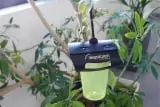
The best time to monitor for queens is in spring when they emerge to start building their nests. A large number of queens can be captured in monitoring stations this way.
- Commercial monitoring stations are available from Veto Pharma
- You can also make your own monitoring stations
- Set up monitoring stations for the rest of the season, just as for wasps
- Most effective during March-May period
The Electric Harp
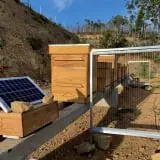
This is a relatively new device. The goal is to electrocute the hornets when they are hawking around the hives.
- Quite expensive, but you can make your own
- Effective against hornets hunting near hives
- Works by electrocuting hornets on contact
- Requires careful installation and maintenance
Mechanical Stations
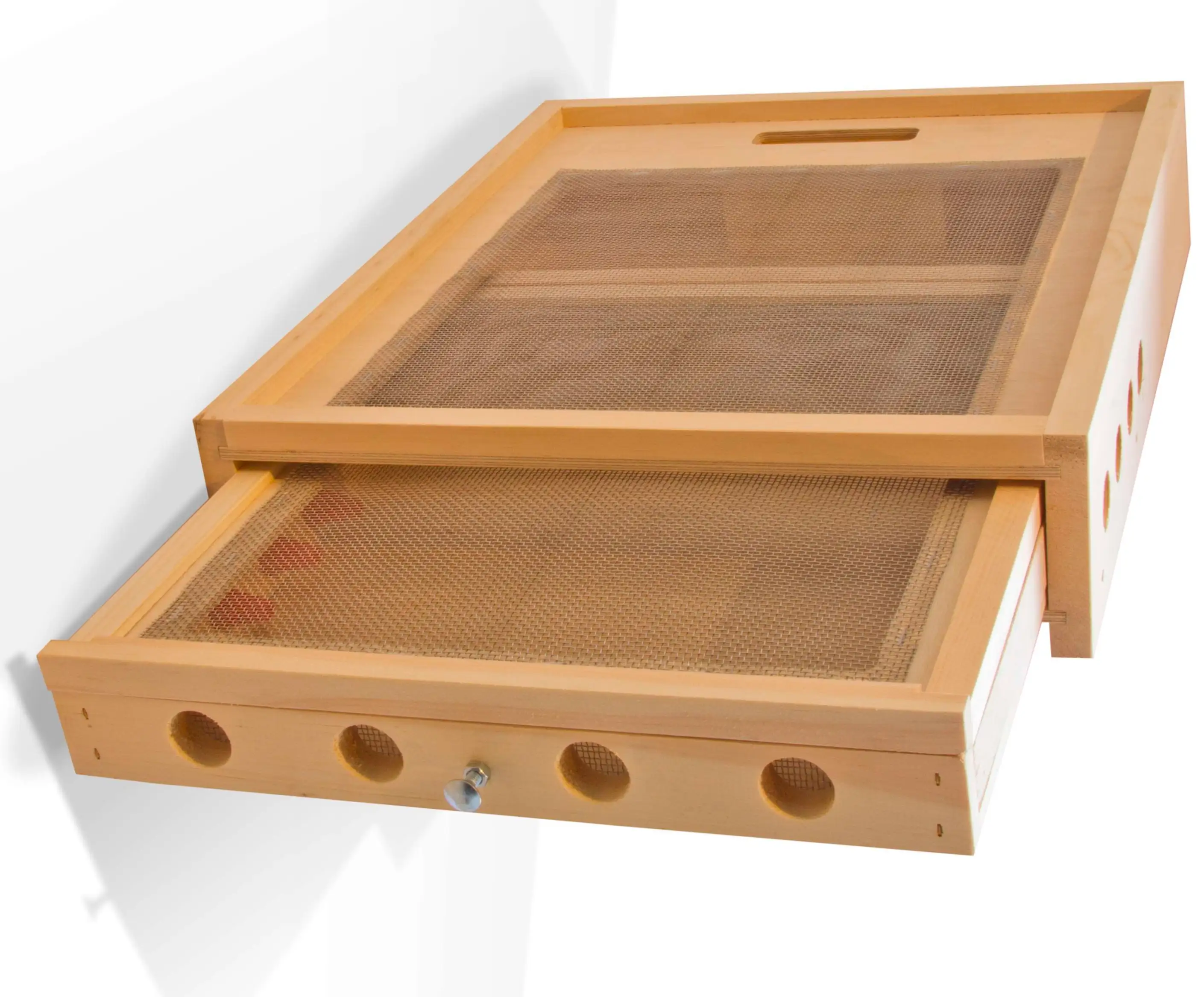
Apishield is a simple mechanical device that sits under the hive floor. The hornets think they are entering the hive and become trapped.
- Sits under the hive floor
- Hornets become trapped in the chamber
- Can be removed and destroyed safely
- Jabeprode Monitoring Station is another option with separate attractant tank
Additional Protection Methods
Hive Entrance Reducers
Install entrance reducers to limit access points while allowing normal bee traffic.
- Use 8mm mesh entrance reducers
- Install during high-risk periods (August-October)
- Ensure adequate ventilation
- Monitor bee behavior for stress signs
Regular Monitoring
Frequent hive inspections help detect hornet activity early.
- Check hive entrances daily during peak season
- Look for hornet hovering or hunting behavior
- Monitor bee defensive clustering
- Document any unusual bee mortality
Early Warning Systems
Set up detection methods around apiaries to identify hornet presence.
- Place monitoring stations 50-100m from hives
- Use pheromone lures specific to Asian hornets
- Install motion-activated cameras
- Create observation posts for regular checks
Emergency Response Protocol
If Asian hornets are detected near your hives, follow this immediate action plan:
Signs of Hornet Attack
Behavioral Indicators
- • Bees clustering defensively at entrance
- • Reduced foraging activity
- • Unusual bee mortality
- • Bees reluctant to leave hive
Physical Evidence
- • Bee body parts near hive entrance
- • Large insects hovering near hives
- • Hornets on landing boards
- • Chewed bee heads/thoraxes